Customizable VR Speaking Situations You Control in Real Time
Every detail shaped by how the individual perceives their own experiences. For clinicians, researchers, and educators.
No obligation - see the software before you commit
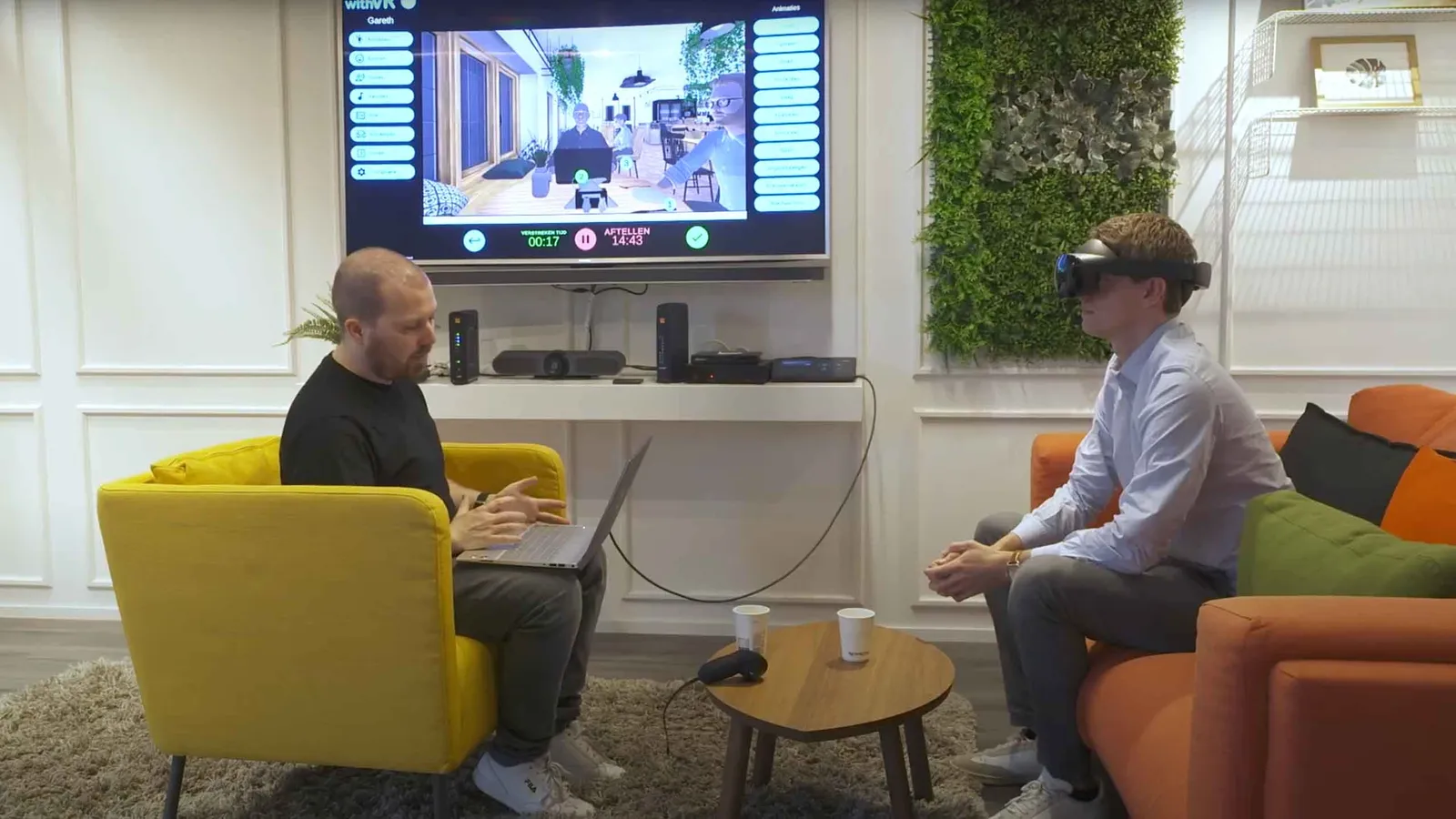







Therapy withVR is the software for speech and voice professionals, researchers, and educators. It connects a web app on your laptop to a VR headset in real time - giving you full control over what the individual sees, hears, and experiences inside virtual reality.
The individual is in the experience. You are shaping it around them.
No audio or video is recorded. Names are encrypted. All data is hosted in Frankfurt, Germany. You are always in control.
Used at Organizations in Over 15 Countries
Three Simple Steps
A daily laptop, a Meta Quest headset, and a subscription. Research shows VR speaking experiences are comparable to real life, making this a safe space to practice what matters.
Your Everyday Laptop
Open the Therapy withVR web app on any laptop you already own. Works on any browser and operating system - no downloads, no installation, no special hardware required.
A Meta Quest Headset
The individual wears a Meta Quest VR headset (approx. $350 USD / €350 EUR, sold by Meta - withVR does not sell hardware) to experience the speaking situations.
Therapy withVR Software
Subscribe and start creating customized speaking situations with real-time control over avatars, sounds, and environments.
Therapy withVR is used with individuals of all ages, including children and teenagers - who are often highly engaged with VR technology. The VR experience requires a Meta Quest headset, which has its own age and account requirements (see Meta's guidance (opens in new tab)). When working with anyone under 18, obtaining parental or guardian consent is recommended.
See What You Can Create
Shape speaking situations around individual goals with tools that respond the moment you need them. Studies show that pre-made, fixed scenarios lead to individuals losing interest - customization to the individual is essential.
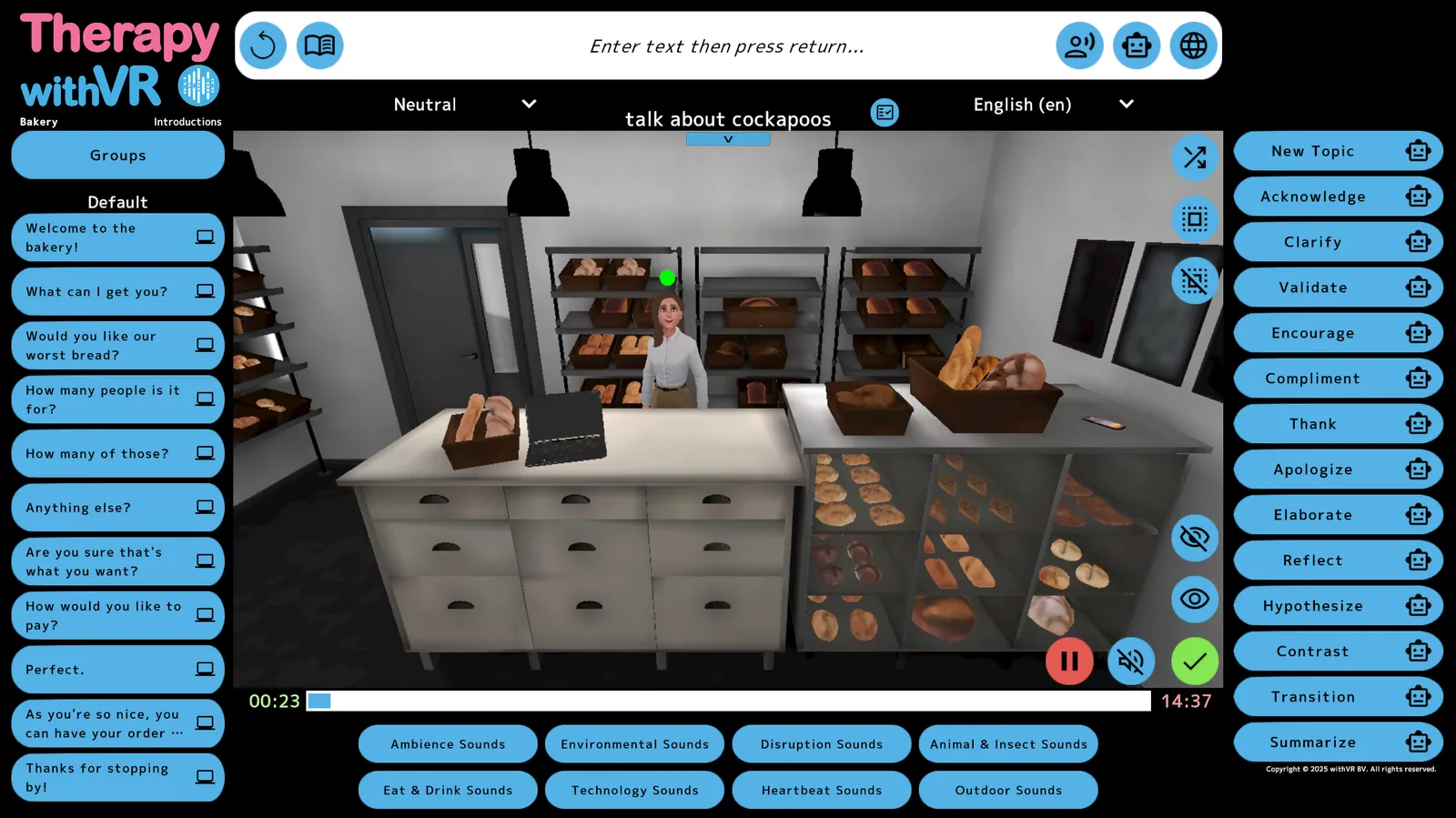
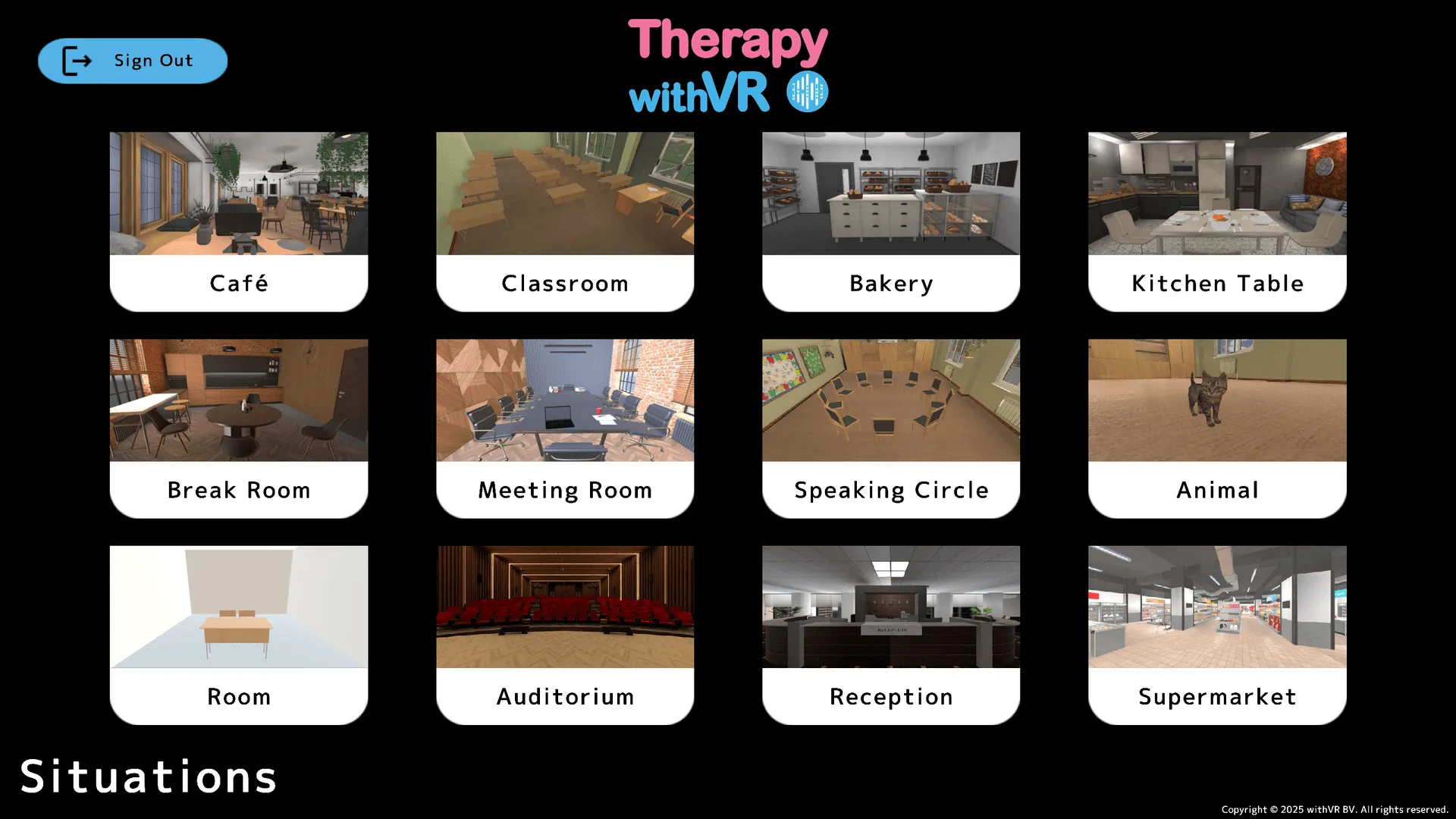
Unlimited scenarios across 12+ environments
Café, classroom, bakery, meeting room, auditorium, supermarket, speaking circle, and more. Research shows different environments provoke different responses - variety matters for meaningful practice.
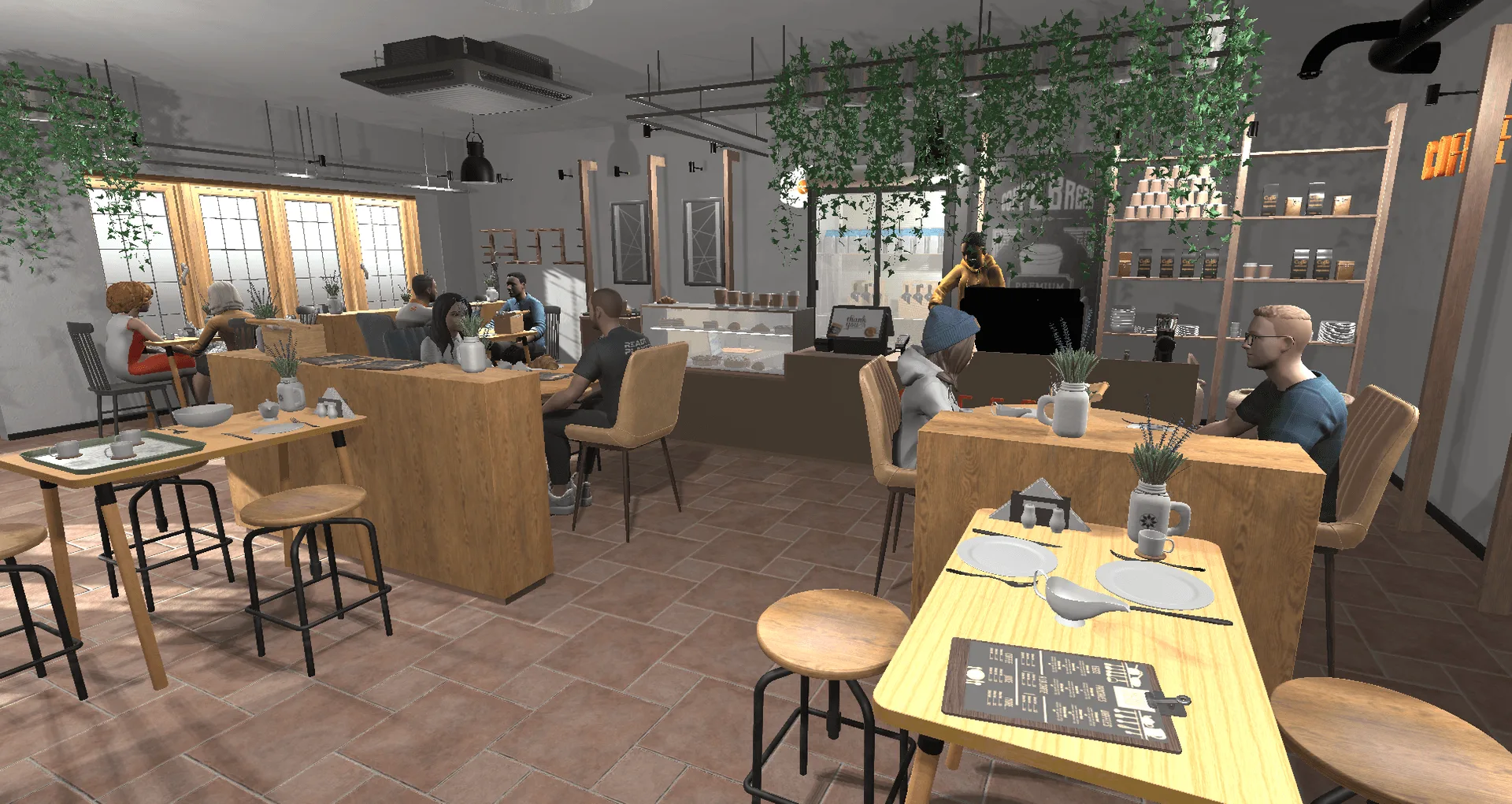
Immersive VR Scenes
Individuals experience realistic speaking situations with diverse avatars from a first-person perspective. Research shows VR speaking situations evoke responses that closely correspond to those in real-life equivalents.
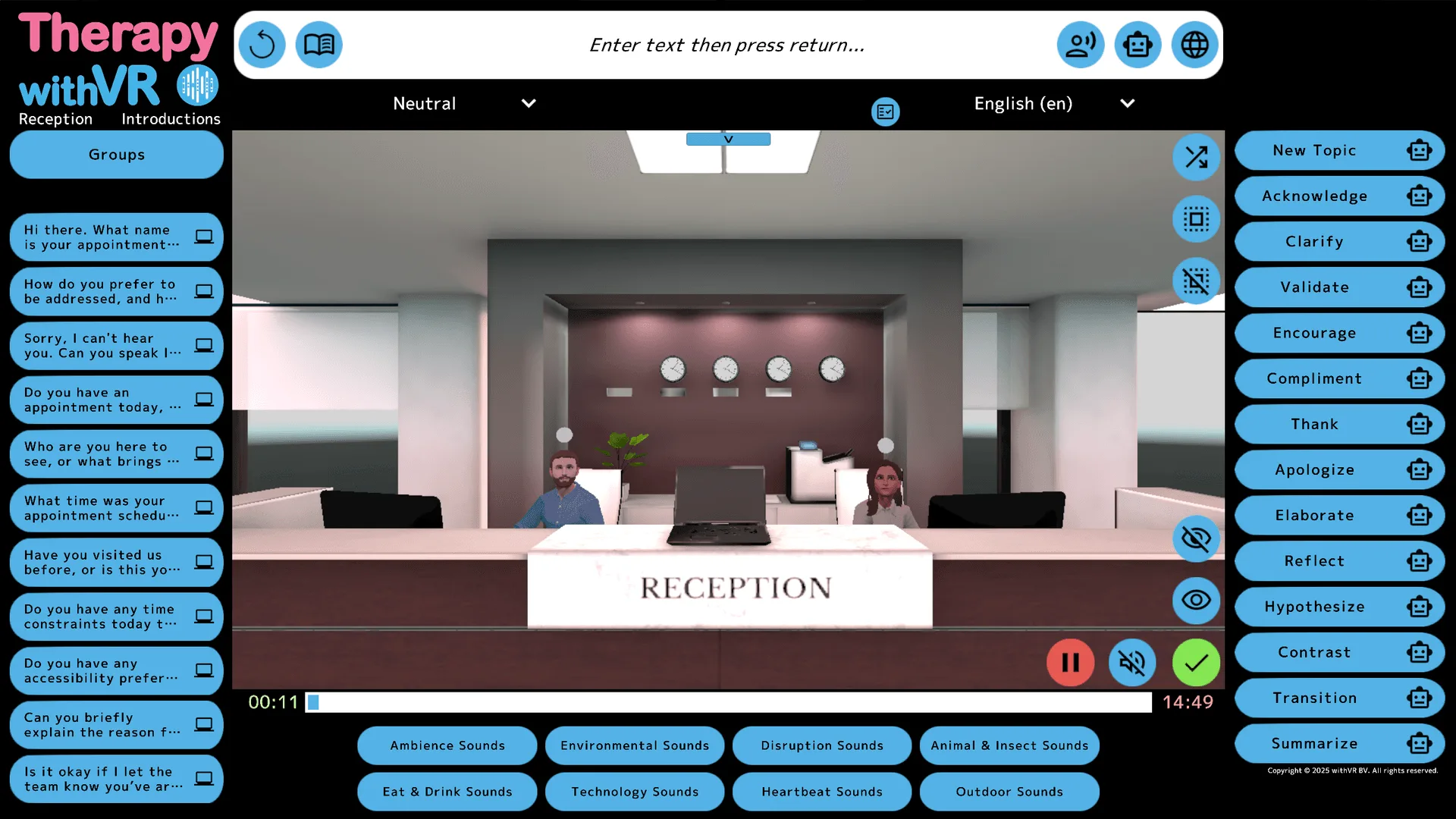
Full Real-Time Control
Type anything, control emotions, trigger sounds, and manage AI - all while the individual is in VR. Research indicates therapist-controlled VR maintains engagement where self-guided approaches see high dropout.
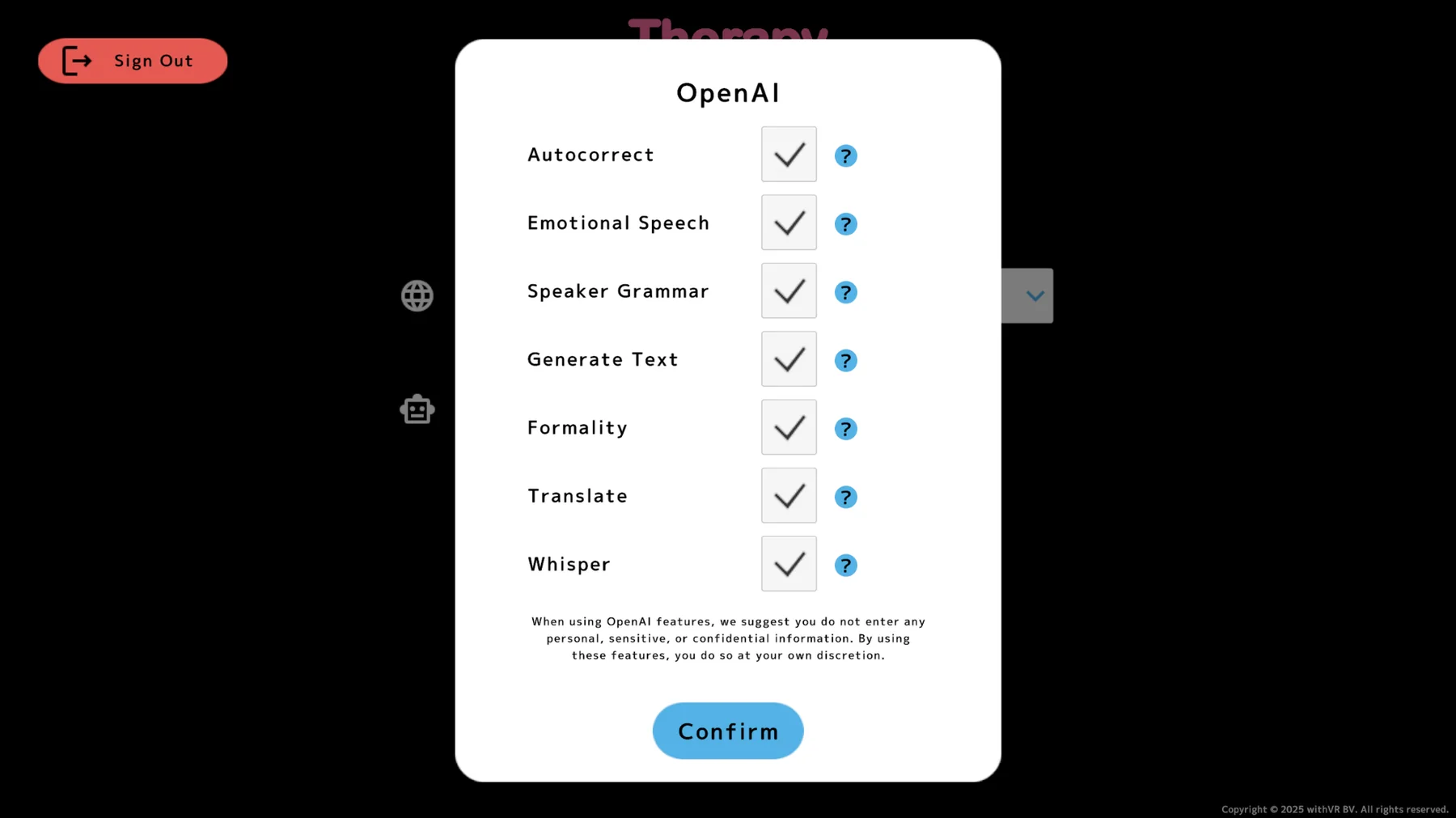
Individually Toggleable AI
Autocorrect, emotional speech, text generation, formality, translation, and speaker grammar - each under your control. Because customization to the individual's own experience is what makes VR relatable to the real thing.
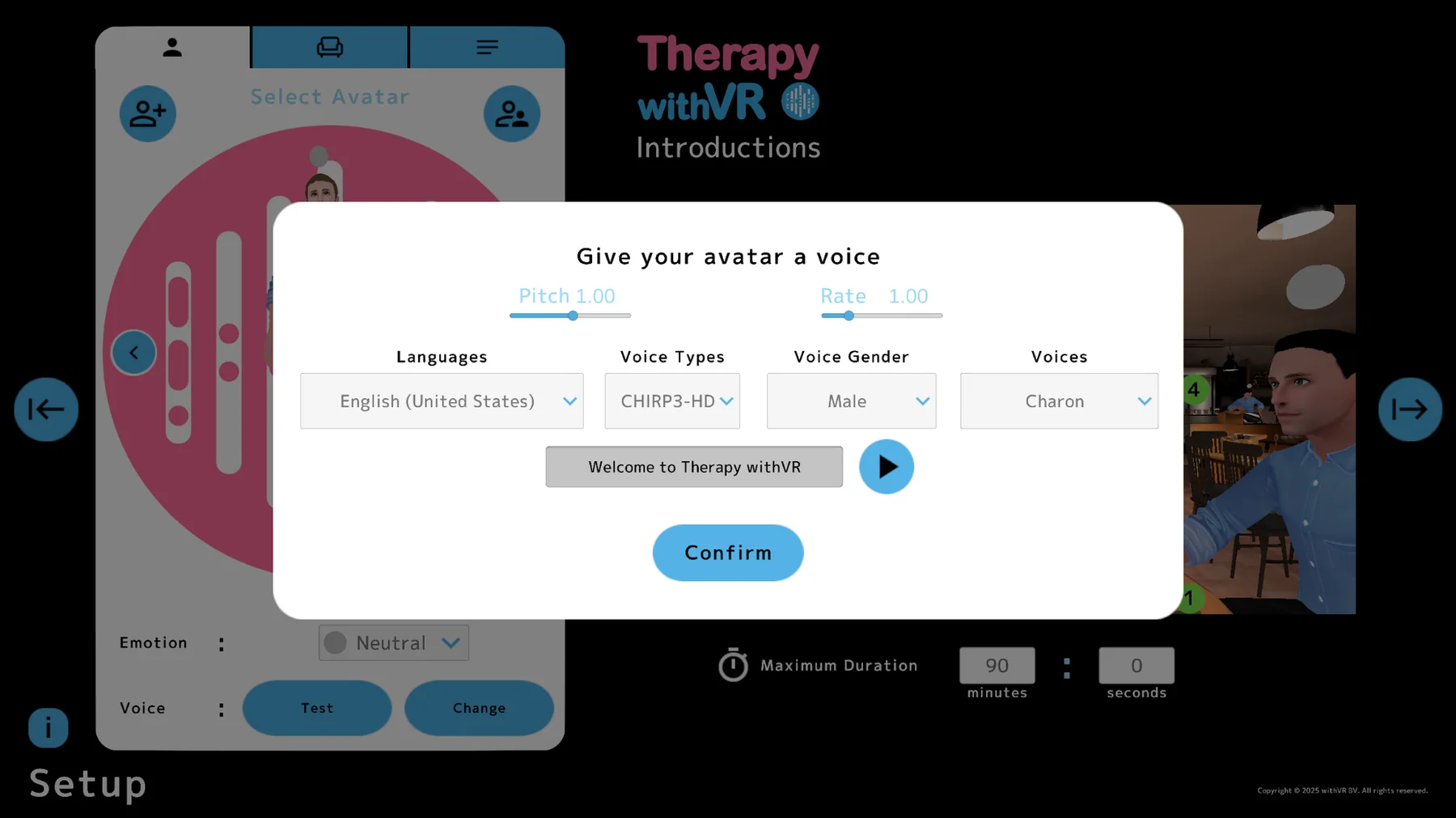
Voice & Language Setup
Powered by Google Text-to-Speech, avatars speak in 59+ languages and dialects with AI-generated voices. Configure pitch, rate, voice type, and gender for each avatar to match any speaking situation.
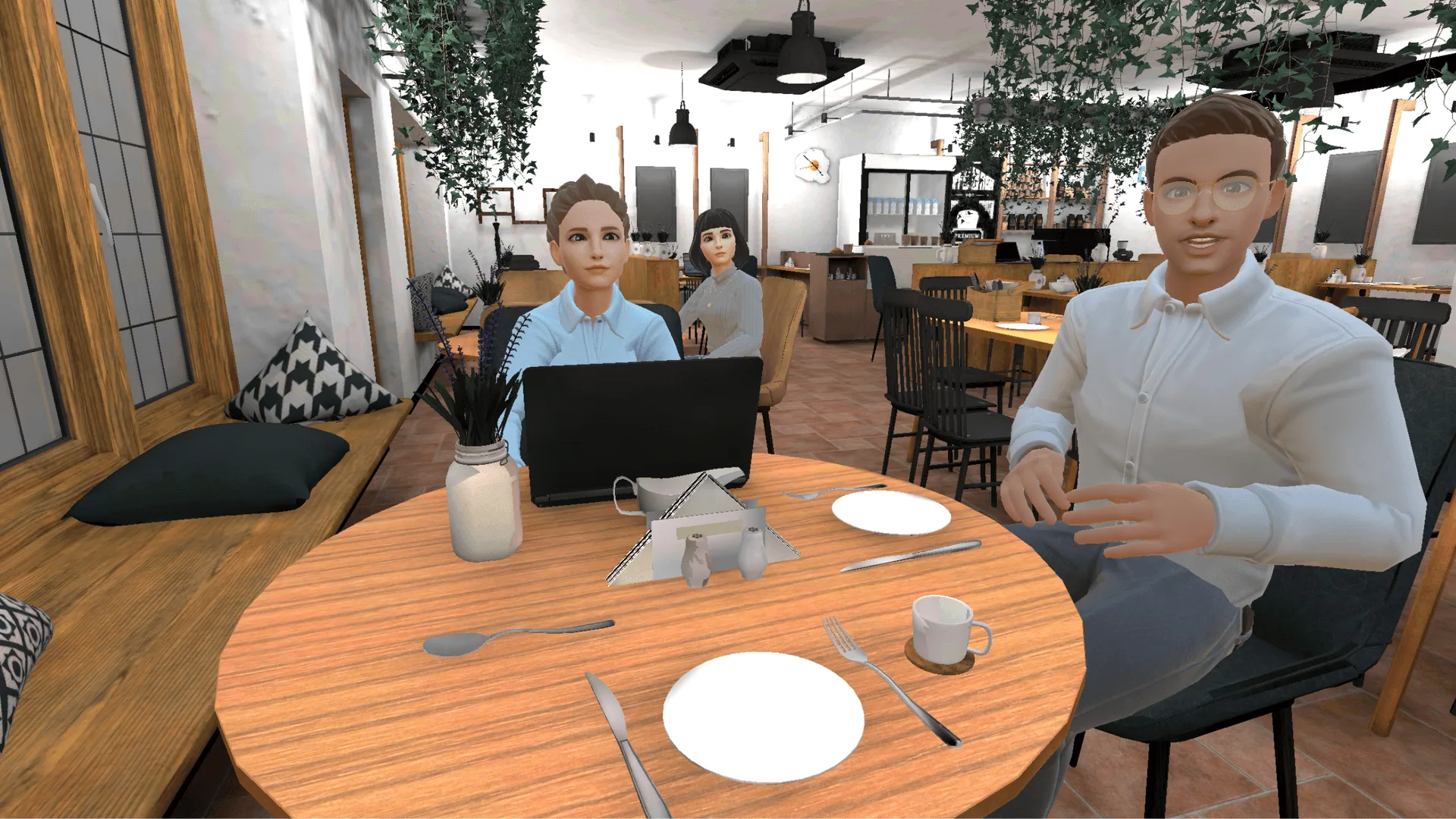
Lifelike Conversations
Avatars speak using 11 distinct emotions created by blending 72 different face shapes. When speaking, their mouth movements blend across 15 shapes corresponding to groups of phonemes - creating a remarkably realistic experience.
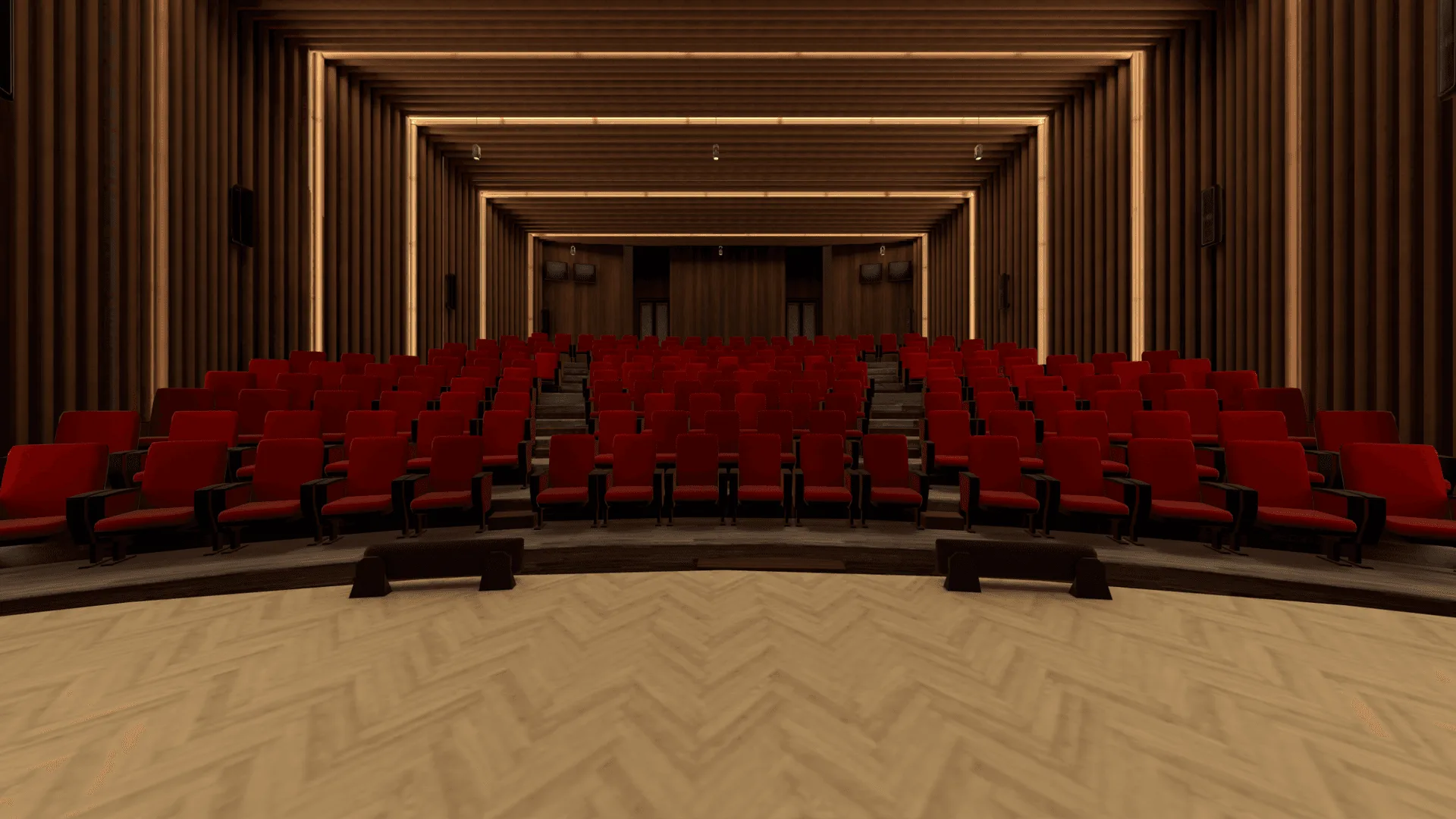
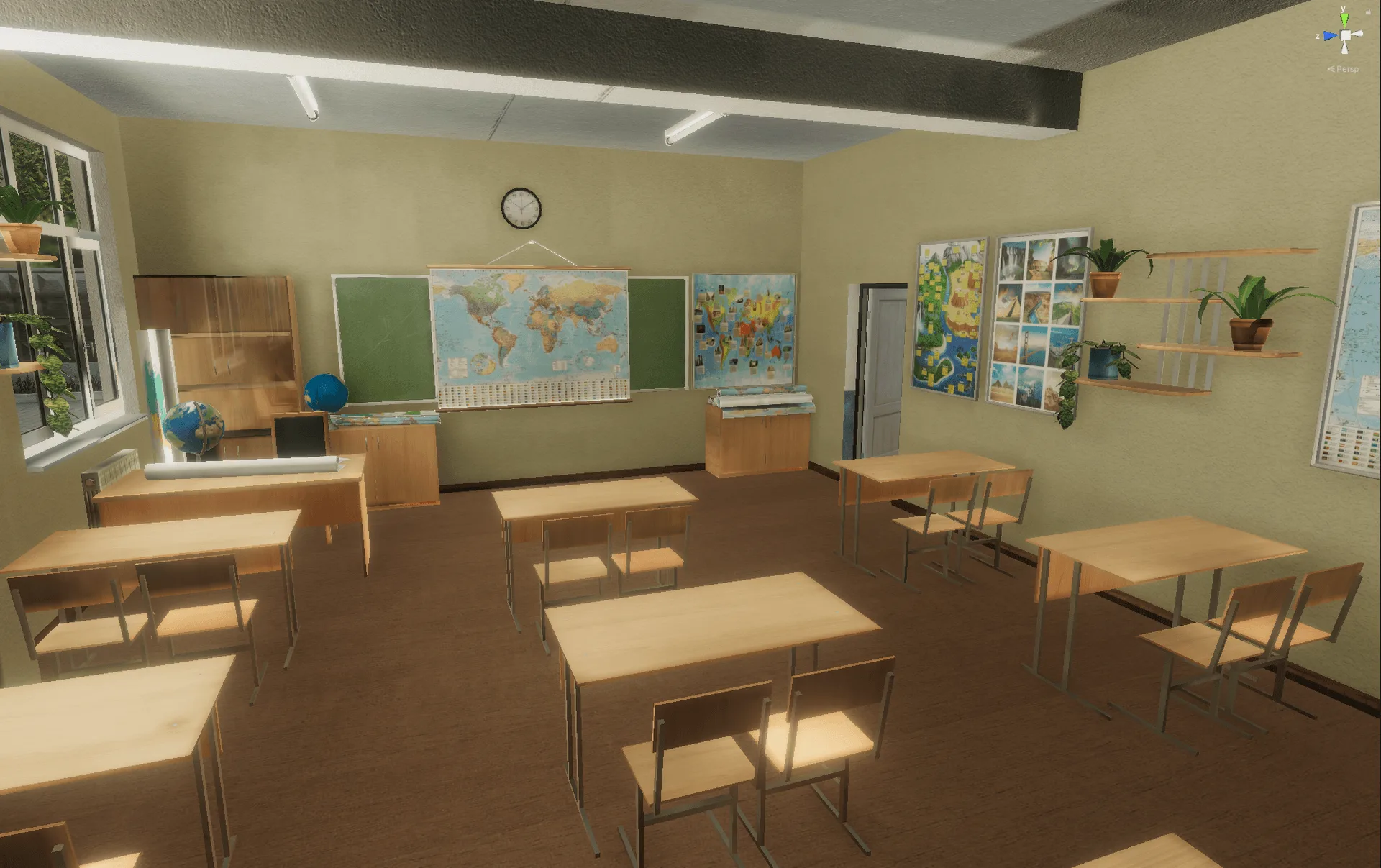
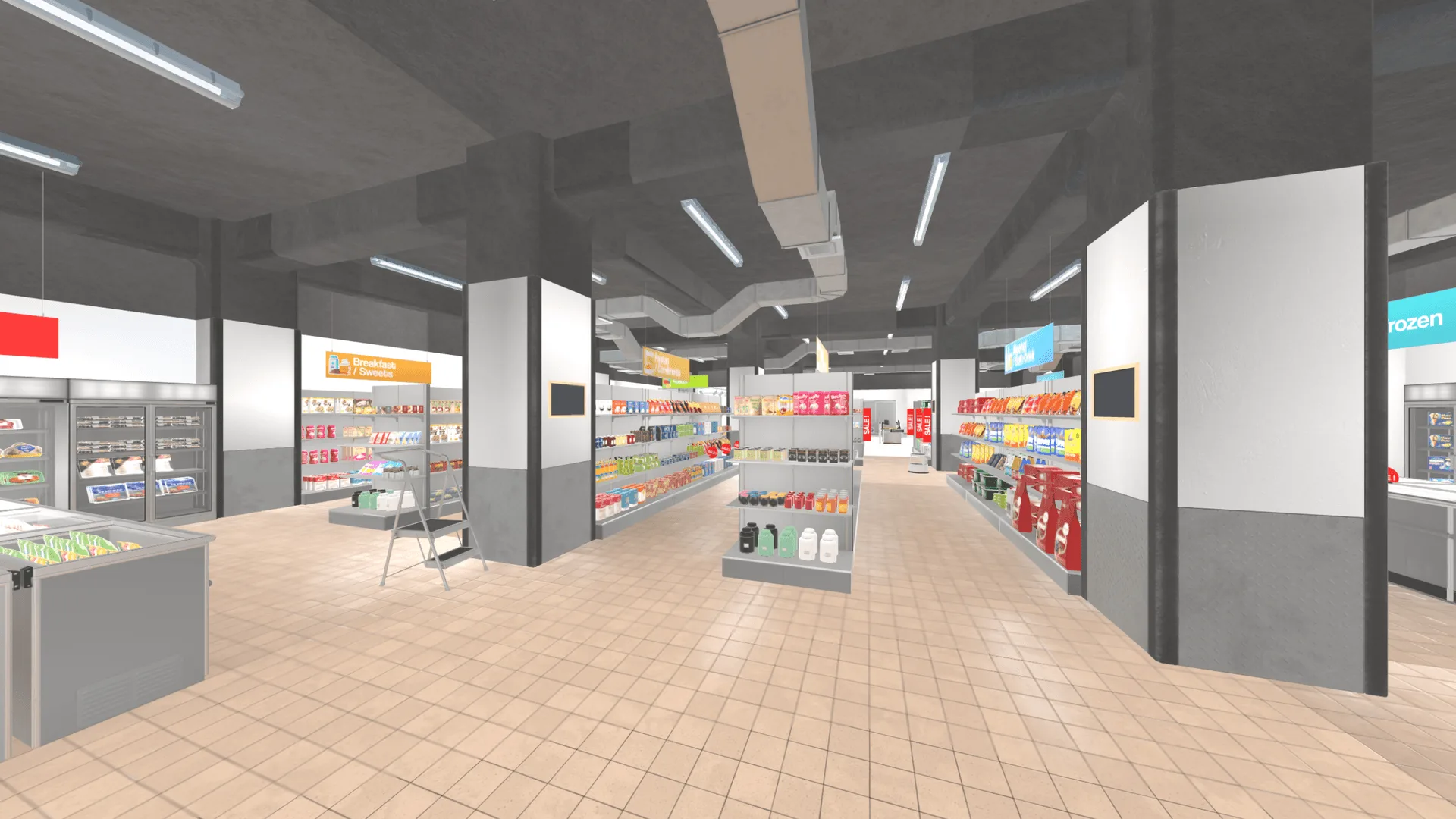
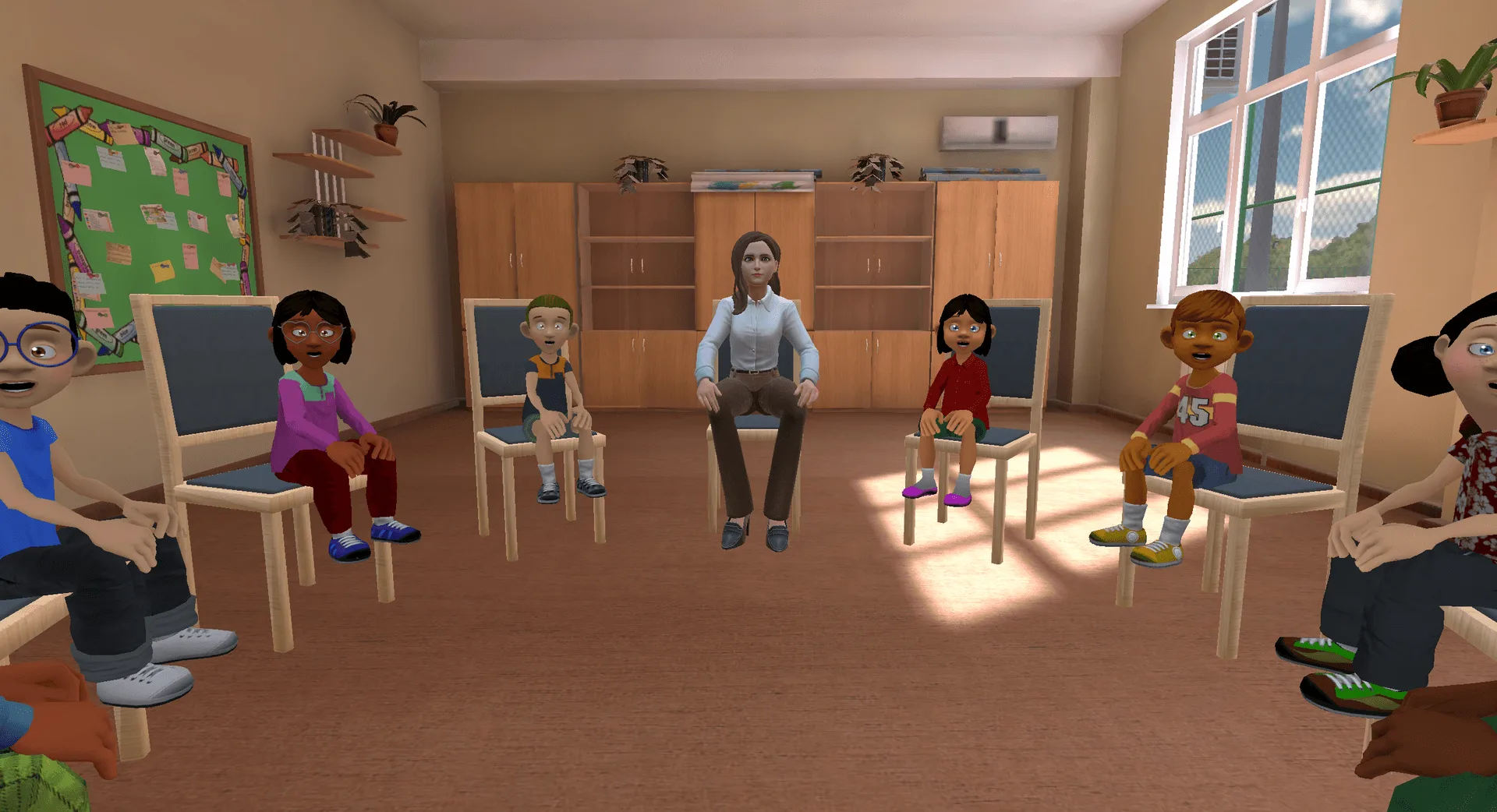
If the VR speaking situations are not customized to how the individual perceives their experiences, the individual is only a passenger on autopilot in someone else's experience.
- Gareth Walkom, Founder of withVR
The Tools Available Were Not Enough
The problem
Role-play inside the clinic does not create the same anxiety, speech, feelings, and emotions as the real world.
Going out into the real world is unpredictable - you cannot control how strangers will respond.
Clinicians were using VR tools built for other purposes - like soft skills training or social anxiety - that did not meet the specific needs of communication therapy.
Researchers kept building their own tools from scratch - spending hundreds of thousands of dollars - only to have no way to sustain or share them once the project ended.
360-degree videos inside VR reflected only specific, fixed scenarios with no customization possible.
The solution
Therapy withVR has been built alongside hundreds of leading clinicians, researchers, and educators to create a tool that is:
Keeping the cost as low as possible so that more individuals and communities worldwide can access VR speaking situations that are designed around their needs.
Used in Clinics, Labs, and Classrooms
Real people using Therapy withVR in clinical, research, and educational settings around the world.
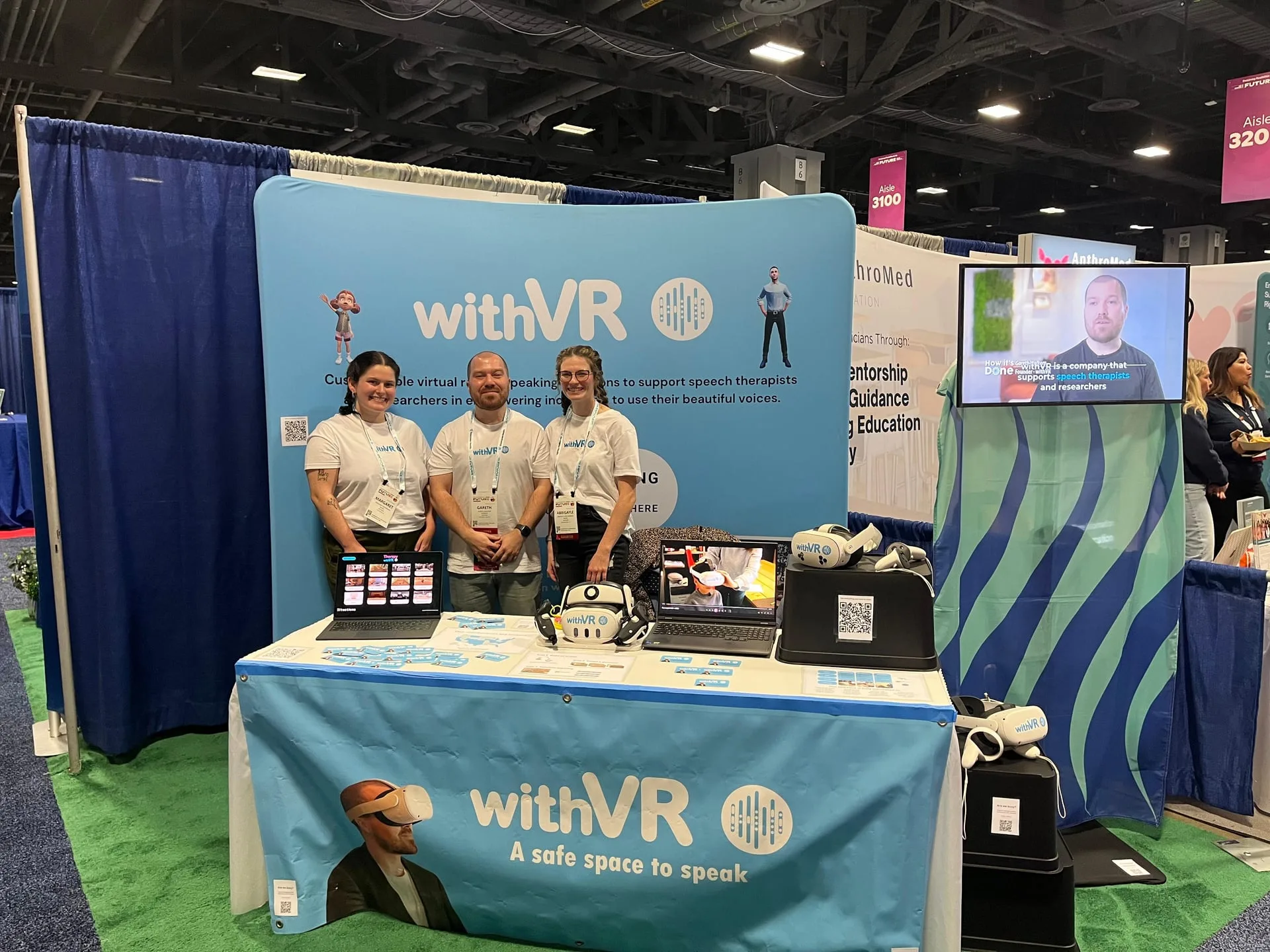
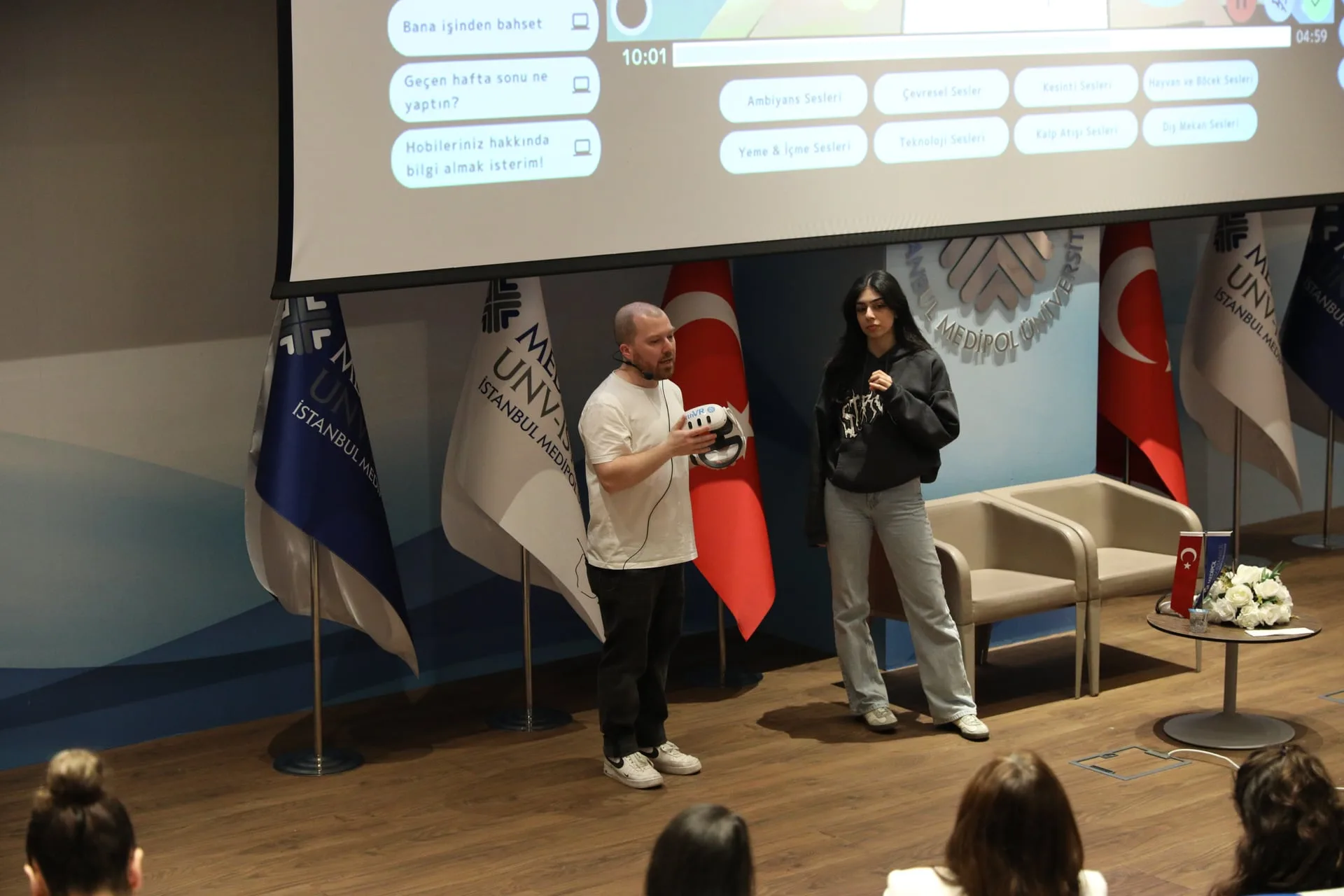
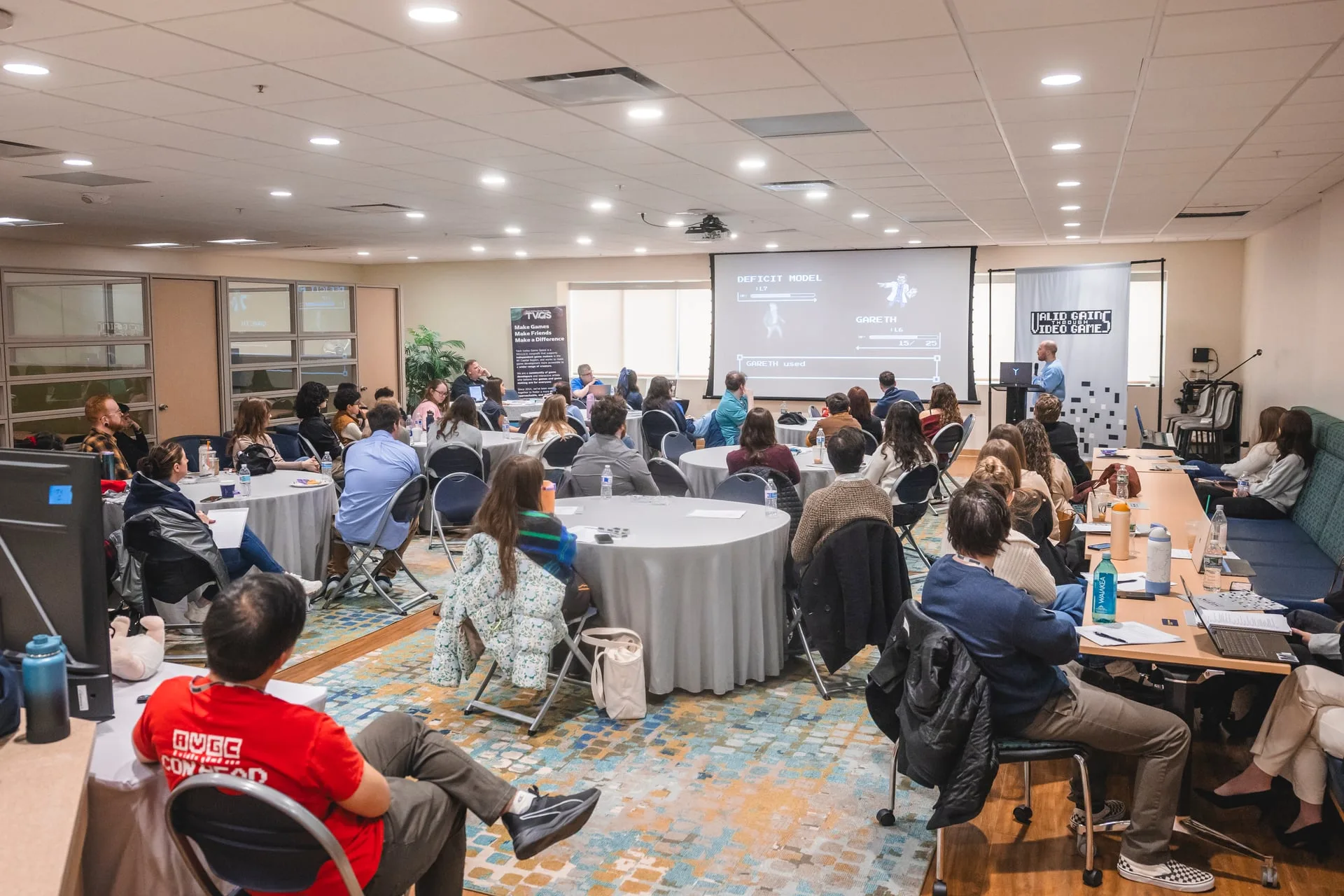
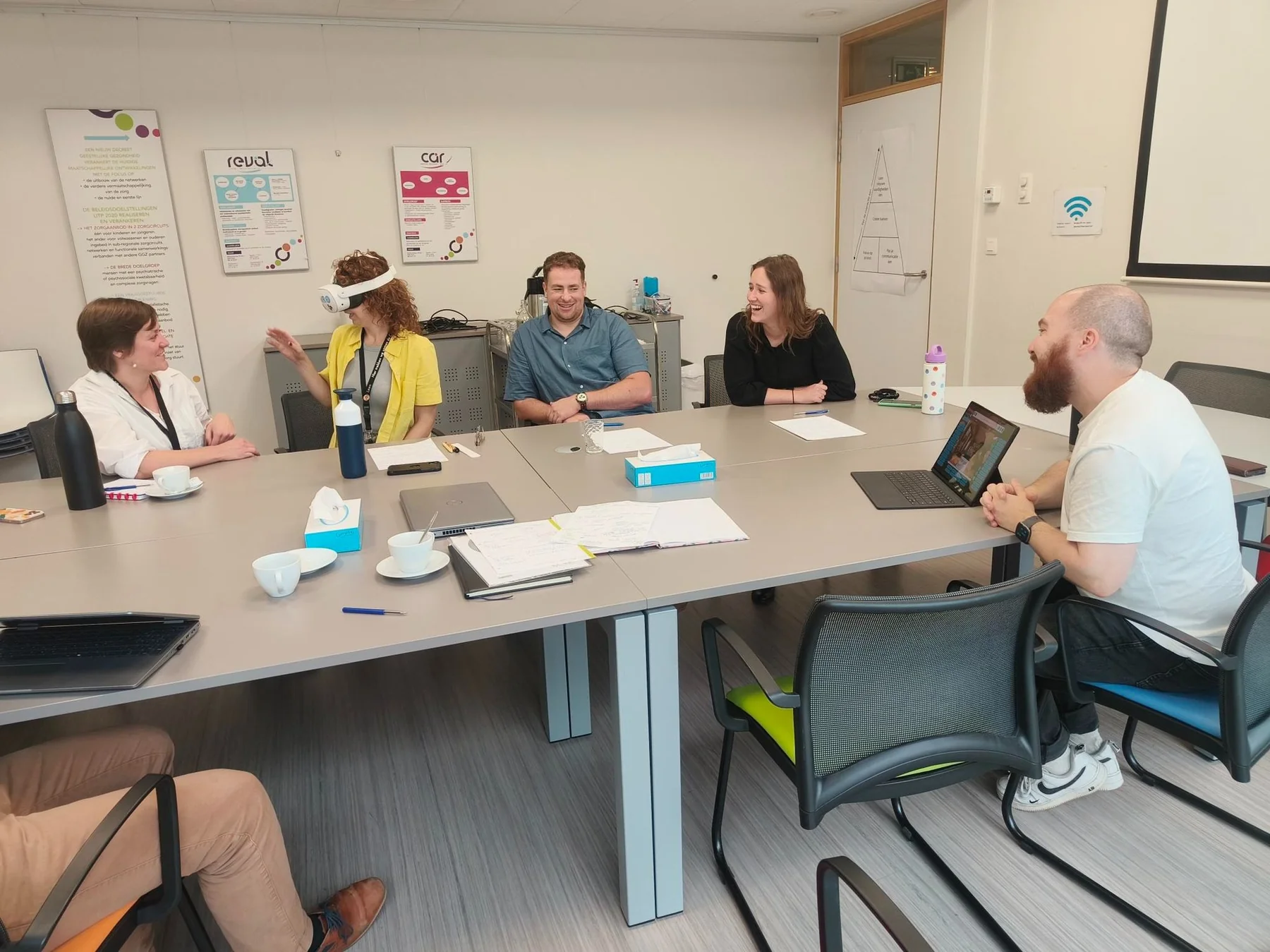
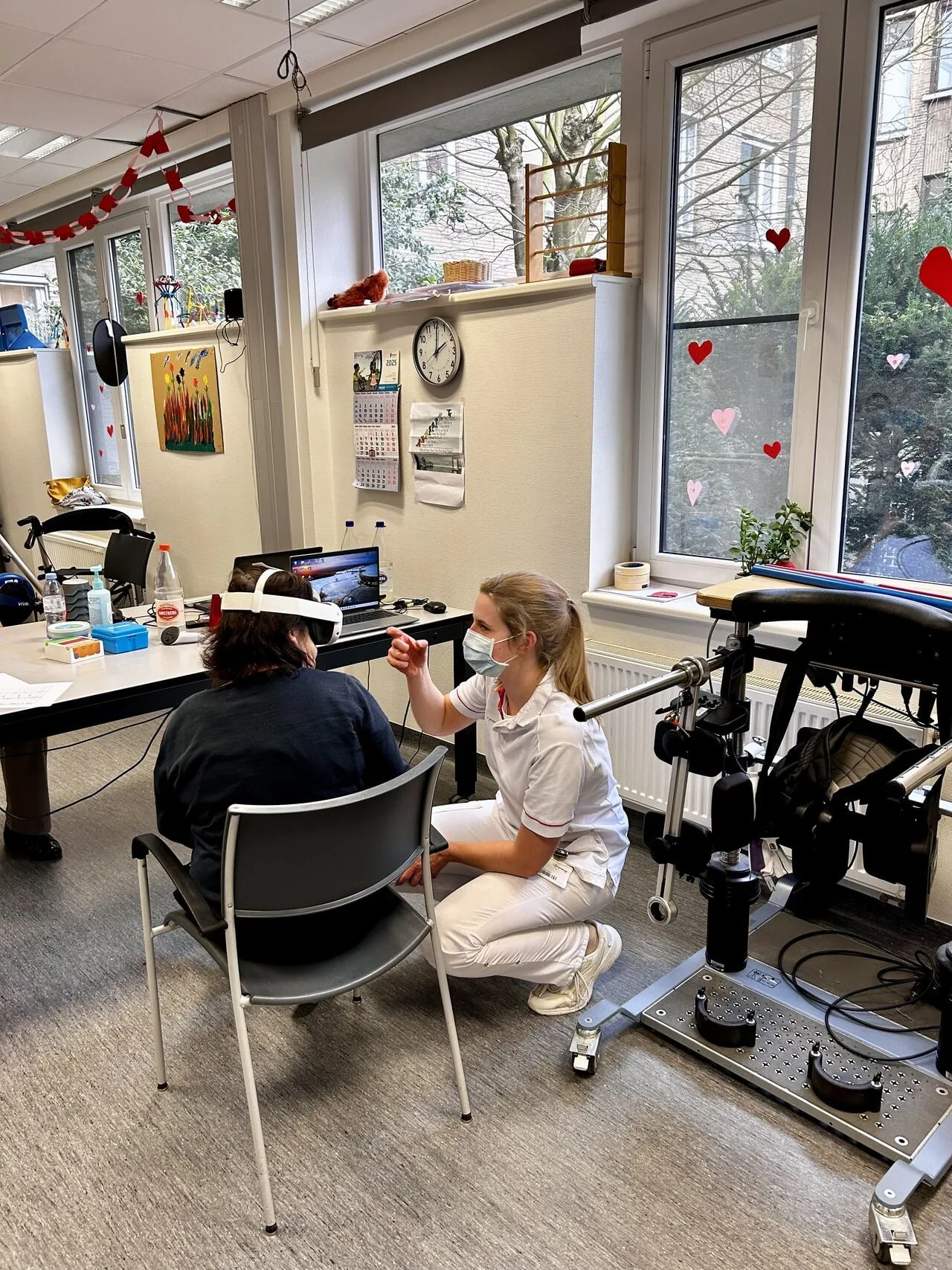
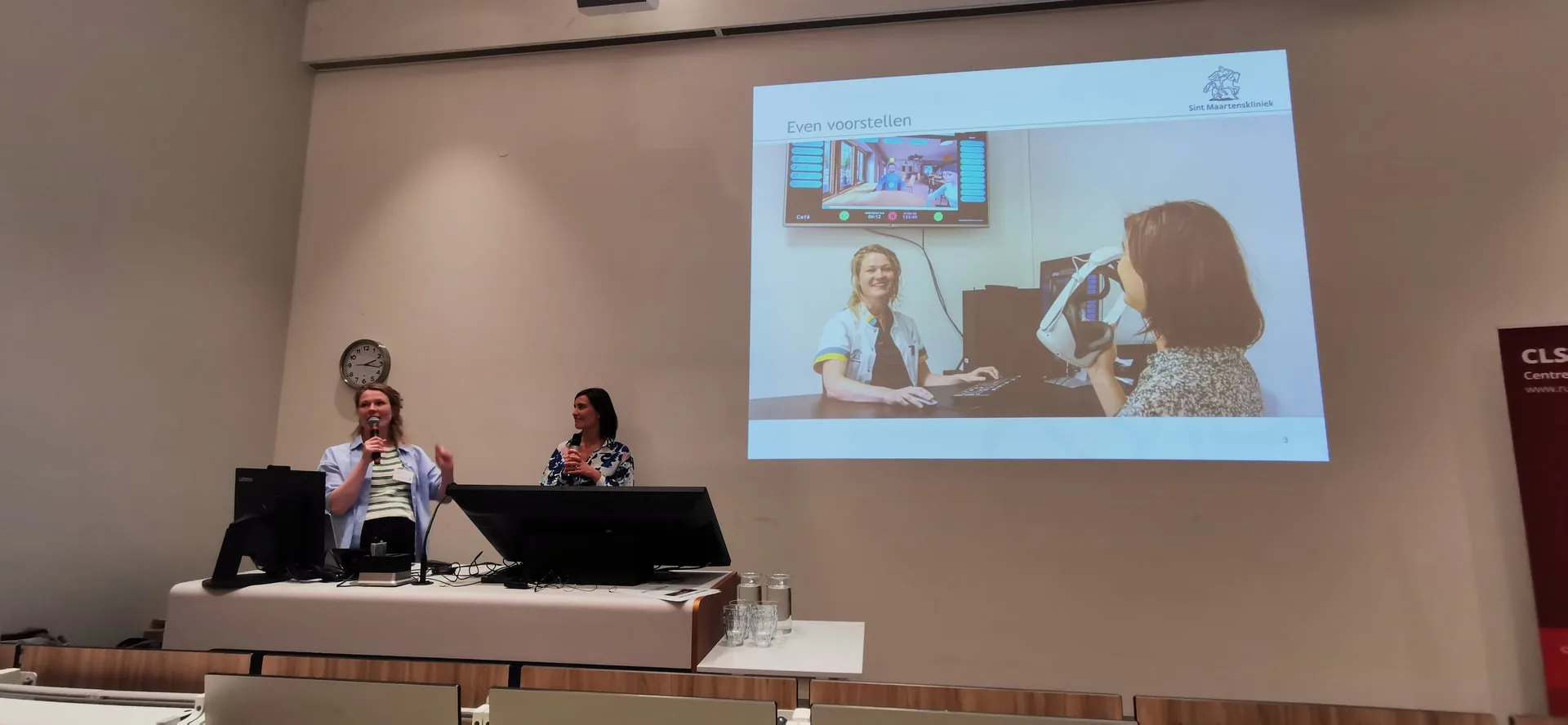
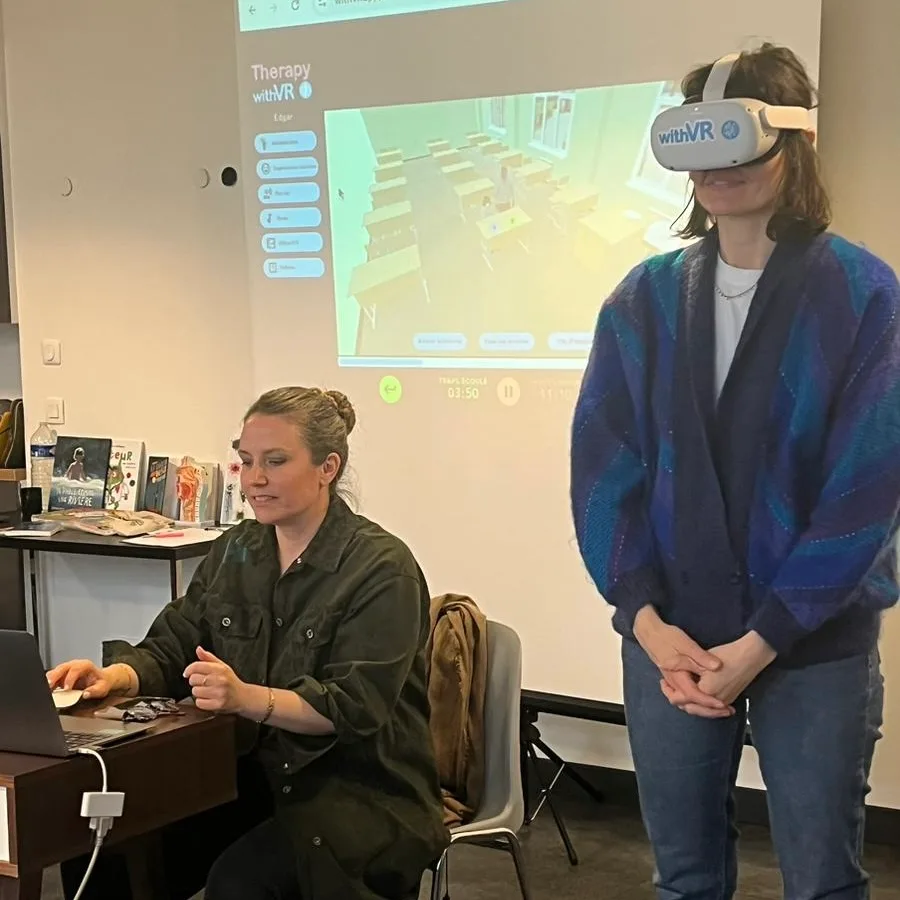
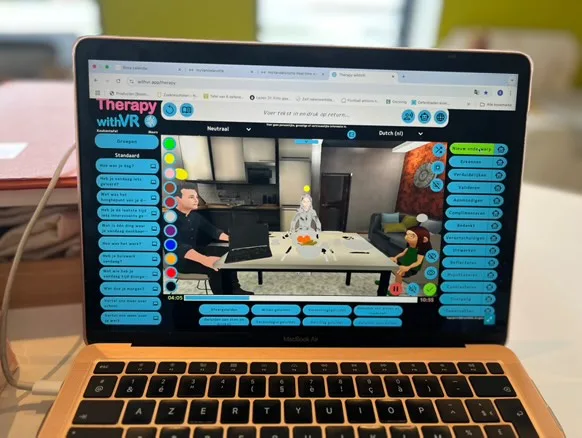
"I was able to get one of my less-verbal students to have a conversation with the cat. She also kept repeating a full sentence 'Make him circle and lay down!' She never uses that many words at one time!!! The teachers were sold on it! Thank you for reigniting my therapy!"

"I'm finding that I am seeing people more quickly and they are moving through their goals more swiftly because you can be in the moment with them and extend their hierarchy, rather than waiting for them to return to do this in the next session."

"I just had a VR practice session with a 10 year old girl. She didn't want to speak about stuttering with others in the past few weeks. We practiced that with the classroom setting and at the bakery. She did it so self confident. Afterwards she said that she wants to do it in real life now, because it helped her get ready for it."

Backed by Published Research
19 research projects supported in 2025 alone. withVR technology is used in published peer-reviewed studies and active research at universities worldwide. The first scoping review of immersive VR in communication differences (Nudelman et al. 2026, AJSLP) maps the wider field across two decades of research.
Virtual Reality as a Tool in Gender-Affirming Voice Training
Randomized controlled pilot trial comparing VR-based voice training using Therapy withVR against traditional role-play. The VR group showed broader gains in willingness to communicate with strangers - while the traditional training group's scores remained flat.
The Effects of Visual Input in VR on Voice Production
Experimental study using Therapy withVR's Room situation to test how visual-spatial cues affect vocal output. Speakers automatically adjusted their voice projection based on virtual listener distance - just as they would in a real room.
Influences of Attentional Focus on Speech Variability
Used a custom Research withVR environment to test whether external attentional focus affects articulatory patterns, providing evidence that VR is a feasible delivery vehicle for speech motor research.
VR for Aphasia, Dysarthria, and Apraxia - An ASHA Tutorial
ASHA tutorial reviewing immersive VR for speech-language rehabilitation of aphasia, dysarthria, and apraxia. Names withVR as "an application being developed by and for persons with communication differences."
Active research projects supported by withVR in 2025, across universities, hospitals, and labs in multiple countries. 4 peer-reviewed studies have been published using the software, and Gareth has published and reviewed research on VR for communication since 2016.
Every study in the Evidence Hub is labeled by whether it used withVR software, and rated for certainty using a simplified scheme informed by the GRADE working group. Studies that specifically used Therapy withVR are listed on a separate page with full disclosure. The rating distribution reflects an honest view of a young research field. No single study currently rises to High certainty, and the reasons are explained openly. See how studies are rated.
Built for the people who use it
Clinicians, researchers, educators, psychologists, students, and individuals working on their own speaking - Therapy withVR adapts to each.
Speech-language clinicians
- Speaking situations shaped around each person's therapy goals - not a fixed script
- Control every avatar, sound, and interaction as the session unfolds
- The bridge individuals need between the clinic and the real world
Researchers
- Every participant gets the same experience - no variability between sessions
- Switch between protocols in seconds with saved profiles
- Quotes on letterhead, research licensing, IRB-friendly data posture
Educators & schools
- Students graduate with hands-on experience, not just textbook knowledge
- Each student moves at their own pace as you adjust the difficulty
- PO/invoice purchasing, COPPA/FERPA posture, IEP/EHCP goal templates
Supporting Participation Across Communication
Speech
Supporting individuals who experience stuttering, cluttering, apraxia, dysarthria, selective mutism, and more. Practice ordering at a bakery, presenting in a classroom, or navigating a conversation at a reception - in situations that reflect their own goals.
Voice
Supporting individuals exploring transgender voice, voice differences, and more. The first randomized controlled trial using Therapy withVR found broader gains in willingness to communicate with strangers for the VR group.
Hearing
Supporting individuals who experience hyperacusis and related listening situations. Controllable ambient sounds and 3D audio allow gradual, safe exposure to the environments that matter most.
Simple, Transparent Pricing
Full access to Therapy withVR software. A Meta Quest VR headset (approx. $350 USD / €350 EUR) is required and purchased separately from Meta or your preferred reseller. Choose the plan that works for your practice, lab, or program.
Individual
For solo practitioners and therapists
- 1 VR headset license
- Web app access
- Share access with as many colleagues as you like
- Unlimited scenarios and profiles
- All AI features included
- Live training walkthrough
- All software updates included
- Email and video call support
See the software before you commit
Team
For practices with multiple practitioners
- 2-10 VR headset licenses
- Centralized billing
- Team management
- Priority support
Education
For universities and training programs
- Unlimited students
- Academic pricing
- Flexible licensing (VR + Web)
- Educational support
No headset? No problem. Run full sessions on a laptop screen with the Web App Only plan from €20/month - perfect for telehealth, first introductions, or when you are not ready for VR yet. All prices exclude VAT. Contact us for details.
Need to pause? Life gets in the way. Parental leave, sabbatical, budget freezes. Subscriptions can be paused for up to six months by arrangement. Every request is reviewed on a case-by-case basis. Get in touch.
All data hosted in Frankfurt, Germany on Google Cloud Platform infrastructure (99.95% uptime SLA). Therapy withVR is designed so that personal information does not need to enter the software. Profile labels are encrypted at rest with AES. No audio or video recordings stored. Only withVR has access to the infrastructure. View all legal and compliance documents.
Frequently Asked Questions
Do I need technical experience?
The web app runs in your browser with nothing to download or install. If you are also using a VR headset, you will need to download the Therapy withVR app onto the headset - every new user is walked through that process in a live training session.
Can I try it before subscribing?
Yes. The actual software is shown on a video call - not a demo version. You see exactly what you will be working with before you commit to anything.
What VR headset do I need?
Any Meta Quest headset - Quest 2, Quest 3, Quest 3S, or Quest Pro. The Quest 3S starts at approximately $350 USD / €350 EUR and is the most common choice. Headsets are purchased directly from Meta or your preferred retailer; withVR does not sell hardware.
Do I need WiFi?
Yes - a standard WiFi connection is needed for both the laptop and the VR headset. One important note: enterprise WiFi networks like eduroam are not compatible with Meta Quest headsets. A personal mobile hotspot or guest WiFi network works perfectly.
What languages are supported?
Therapy withVR supports 59 languages with 52 avatar voice combinations. Avatars can speak and respond in the language you choose - powered by Google Text-to-Speech.
Is it HIPAA and GDPR compliant?
Therapy withVR is GDPR compliant with all data hosted in Frankfurt, Germany. For HIPAA, the platform is designed so that Protected Health Information (PHI) does not enter the system - no client names, diagnoses, or health records are collected or stored. A FERPA agreement is available for school districts.
Is any audio or video recorded during sessions?
Not by Therapy withVR. The software does not record or store any audio or video - nothing is captured on our end. If you want to record a session for your own notes, research, or review, Meta Quest headsets have built-in capture tools that let you do this directly from the device; recordings stay under your control. Profile names are encrypted with AES. Only withVR has access to the infrastructure - no third parties.
Blog
Research summaries, practical tips, product updates, and news from the world of VR and communication.
Why VR Speaking Situations Feel Like the Real Thing
Published research shows VR speaking situations evoke responses that closely correspond to those in real life. Here is what the evidence says.
Read more →How the NHS Uses VR to Support Young People Who Stammer
Two NHS Trusts in England are using Therapy withVR to give children and teenagers a safe space to practice speaking situations.
Read more →VR for Gender-Affirming Voice Training: What the First RCT Found
A 2025 RCT using Therapy withVR found that VR-based practice increased willingness to communicate with strangers.
Read more →5 Ways to Use VR Speaking Situations in Your Next Session
Practical ideas for speech-language professionals - from cafe ordering to classroom presentations to the animal environment.
Read more →How Researchers Use VR to Study Speech and Stuttering
From foundational studies at George Washington University to recent work using Research withVR, virtual reality is giving speech researchers something they have never had before: control.
Read more →The Gap Between the Therapy Room and the Real World
The gap between role-play and real life has always been one of the hardest problems in speech therapy. Therapy withVR was built to bridge that distance.
Read more →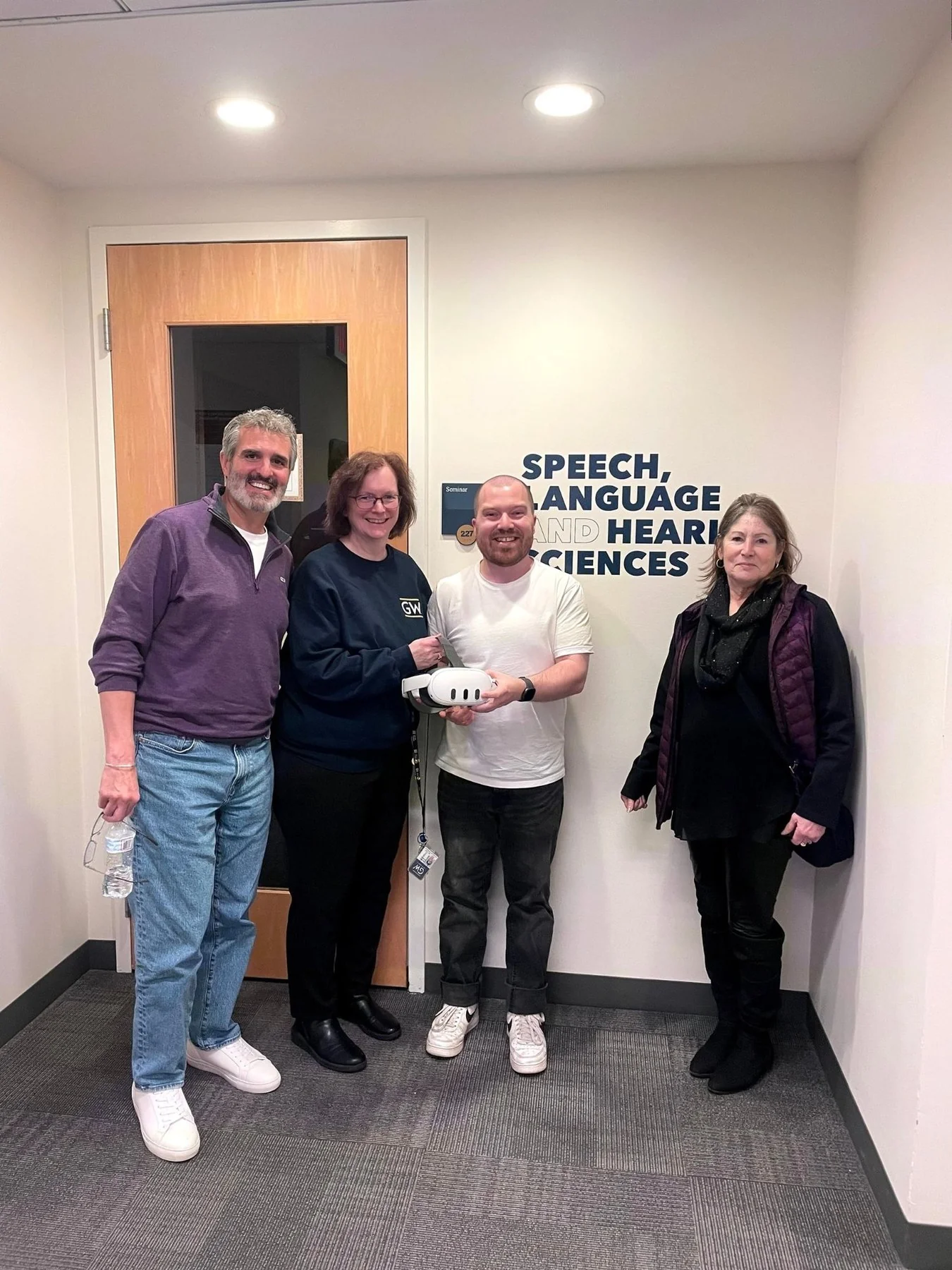
Gareth Walkom
BSc(Hons) MSc MBCS - Founder & CEO of withVR
A person who stutters who has built VR tools for speech-language professionals since 2016. Gareth started this work because the tools available were not designed for the people who needed them most.
As both a researcher and developer, he understands the clinical need from personal experience and the technical possibilities from years of applied research. His work has shown that VR can replicate real-world speaking experiences, support participation and confidence, and provide ecologically valid environments for both therapy and research.
Gareth is a Research Affiliate at The George Washington University, has advised researchers worldwide, and is a Member of the British Computer Society.
Getting Started Is Easier Than You Think
No technical background needed. If you can use a laptop, you have everything you need. You will see the actual software before you commit to anything.
Get in Touch
Send a message with any questions. You will hear back quickly to discuss your needs.
See the Software
You get a video call walkthrough of the actual software - not a demo version.
Try It Yourself
Get hands-on access to the web app and explore it at your own pace.
Start Your First Session
Subscribe, set up your headset with guided support, and begin.
Whether you have questions, want to see the software, or are ready to get started - help is always available.
Book a 20-minute call with Gareth. Tuesdays and Thursdays, afternoons (Europe/Brussels).
None of those times work for you? Send a message below with a few times that suit and we will arrange one directly.
Or email directly at hello@withvr.app
Technology Checklist for SLPs
A practical guide to evaluating any new technology before using it in your practice. 38 items covering data privacy, AI transparency, accessibility, cultural fit, security, and more. Not specific to withVR - useful for any tool.
Request Your Free Copy