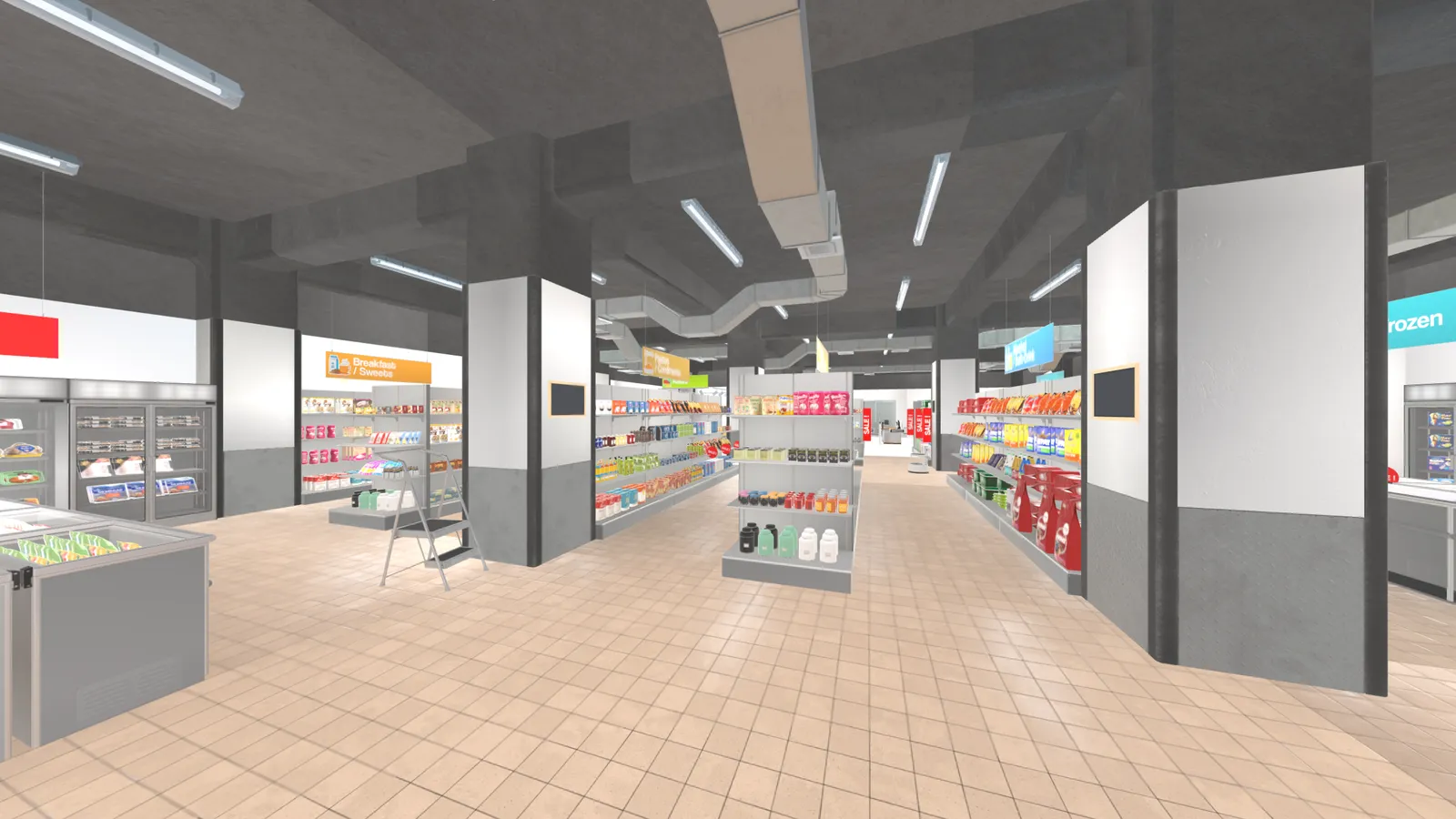
You have seen it more times than you can count. A client does the work beautifully in your room. The ordering script, the short presentation, the difficult phone call, it all turns out as planned. Then they reach the actual cafe, the actual meeting, the actual hallway, and they become lost. The gain you built together does not seem to travel.
This is carryover, and it is the part of the work that quietly decides whether everything else mattered. This post is about why it is so hard, why it is not your client’s fault, why it is not yours either, and what actually helps. I founded withVR, so I am not a neutral party, but most of what follows is about clinical practice, not a product.
What carryover actually is
Carryover, also called generalization, is the skills and confidence a person builds in therapy showing up in everyday life, in the situations and with the people that matter to them. It is the goal of almost all therapy. It is also the hardest part, and the research treats it as its own question: does practice in one place transfer to the real hallway and the real cafe? That question is worth reading on its own, on the real-world transfer and generalization topic in the Evidence Hub.
Why skills stall at the therapy-room door
Your room is, by design, the easiest possible version of the situation. It is quiet, predictable, private, and safe. You are there. There is no queue building behind them, no unexpected question, no stranger’s face. That safety is exactly what makes early progress possible.
It is also exactly why the gain can stay in the room. The real situation is none of those things. It is noisy, variable, higher-stakes, and it happens once, at full speed. The distance between the calm room and the real moment is enormous, and a person is often asked to cross it in a single leap. When the leap fails, it is easy to read that as a problem with the person.
It is a bridge problem, not a person problem
Here is the reframe that changed how I think about this. When a skill does not carry over, the instinct is to locate the problem in the person: they did not generalize, they need to repeat it more, they lack confidence. The social model of communication puts it differently. The barrier sits in the gap between two environments, not inside the person. The controlled room and the real situation are two different worlds, and nothing graded sits between them.
So the work is not to change the person so they can leap further. It is to build the bridge, so the leap becomes a series of steps. And those steps do not have to go in a straight line. Moving back several at any moment is completely okay; it is part of how this works, not a failure.
That reframe also changes what is worth measuring. The goal is not speech that matches a target under pressure. It is the person being able to take part in a situation they chose, to order the coffee, ask the question, sit in the meeting, on their own terms. What is worth tracking is their own confidence in getting there, before and after, in their own words. There is a free Goal Rating Sheet built for exactly that kind of self-rated tracking.
Practical ways to build carryover
None of this needs VR. These are levers any clinician can pull:
- Make the room more like the real situation. Reintroduce the variables you took out: background noise, a small audience, a time limit, an interruption, an unexpected question. Every variable you add back is another step toward the real thing.
- Grade the difficulty toward the real thing. Move in small, deliberate steps from the easiest version toward the real one, and let the person move up only when they want to, and back down whenever they need to. There is a worked example of a graded ladder in writing IEP and EHCP goals around access and participation.
- Practice in context, or take practice to the context. Community-based and in-context practice exists precisely because the context is where carryover lives. Where you can rehearse closer to the real setting, do it.
- Bring the real people and places in. Involve the listeners, settings, and routines that actually matter to the person, rather than a generic stand-in. Carryover is specific to the situation, so practice should be too.
- Track confidence and participation, not accuracy. Did they choose to try the thing? How confident do they feel about reaching their own goal, before and after, in their own words? It is okay for that confidence to be low, and okay for it to move up and down rather than climb in a straight line. Those are the measures that tell you the bridge is holding.
- Make homework doable and low-stakes. A small, repeatable, genuinely manageable between-session step that the person actually does beats an ambitious one they avoid.
Where a controllable practice environment fits
The hardest step to build is the one closest to the real thing: a situation realistic enough to matter but controllable enough to stay safe, that you can grade and repeat on demand. A real cafe gives you no control and one attempt. Your therapy room gives you all the control but little of the real situation. The step in between is the one most clinicians do not have a good way to build. That is not a failing on your part. You can only do so much with the tools you have, and the step closest to the real situation has always been the hardest one to build.
That gap is exactly what a controllable VR practice environment is for, and it is why Therapy withVR exists. With Therapy withVR, you rebuild the cafe, the classroom, or the meeting room and shape it live from a laptop: make it busier, let an avatar ask for a repeat, add a little time pressure, then dial it all back. The person practices the real situation at a pace they set, as many times as they need, before they meet it for real. For why a rebuilt situation can feel real enough to carry over, see why VR speaking situations feel like the real thing, and for session structures there are five ways to use VR speaking situations. A full worked example for a school context is the controllable virtual classroom.
What the evidence says
Here is the honest version. Whether practice in a headset transfers to the real hallway is exactly the ecological validity and real-world transfer question, and it is the right thing to be skeptical about. The evidence is growing rather than settled, and the Evidence Hub rates all of it openly, including where it is still thin. A controllable practice environment is a credible way to build the bridge; it is not a guarantee that the bridge will hold for every person, and no tool should be sold as one.
Common questions
What is carryover in speech therapy? Carryover, also called generalization, is when the skills and confidence a person builds in therapy show up in everyday life, in the situations and with the people that matter to them. It is the goal of almost all therapy and the part that is hardest to reach.
Why don’t speech therapy skills transfer to real life? Because the therapy room and the real situation are two very different environments. The room is quiet, predictable, private, and safe, which is what makes early progress possible. The real situation is noisy, variable, higher-stakes, and happens once at full speed. Asking a person to cross that whole distance in a single leap is what usually stalls. The gap is in the environments, not in the person.
How can I improve carryover in speech therapy? Grade practice toward the real thing instead of leaving the room as the easiest possible version. Add real-world variables back in deliberately, practice in the actual context where you can, involve the people and places that matter, and track the person’s own confidence and participation rather than accuracy. Build the bridge in small, controllable steps.
Is carryover the same as generalization? They are used closely and often interchangeably. Generalization is the broader term for skills extending beyond the exact context they were taught in; carryover usually means those gains showing up in the person’s real, everyday situations. In practice the goal is the same: the work reaching the places that matter.
Can VR help with carryover? It can be the controllable middle step. A clinician-controlled VR environment rebuilds a real situation, like a cafe or a classroom, realistically enough to matter but controllable enough to be safe, so the person can practice and repeat it at their own pace before meeting it for real. The evidence on whether headset practice transfers to real settings is growing, and the Evidence Hub rates it openly, including where it is still thin.
The bridge is the work
Carryover was the whole problem for me. I could do the work in a calm room. The real world was where it counted, and the bridge between the two was missing. Building that bridge is what I have spent years on, and whether you build it with VR or with a busier room and a patient, graded plan, it is the most important part of the work.
So if your gains keep staying in the room, the question is not what is wrong with your client. It is what the next step looks like. If you would like to talk through how a controllable practice environment might fit a particular person on your caseload, you can always reach me directly.